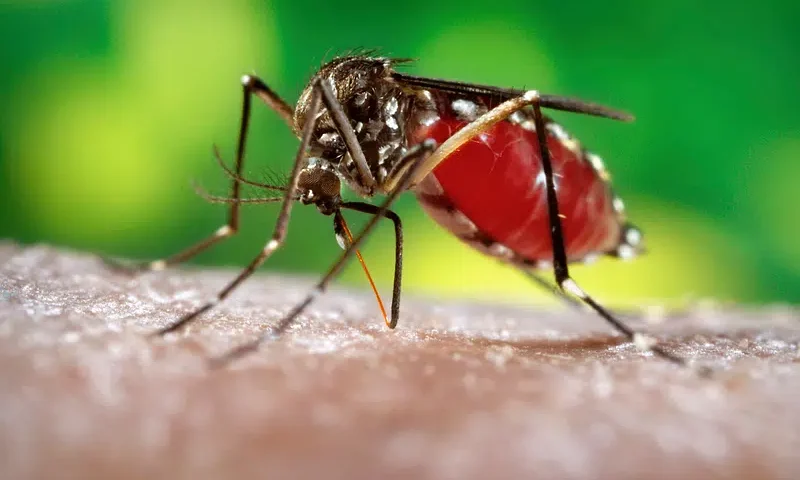
Mosquitoes: vectors of disease, an important food source for many species of wildlife, and the bane of outdoor living. These little buggers are everywhere; that high-pitched, whining next to your ear is an unmistakable sign that these tiny vampires are seeking out their next meal, and you might be on the menu. Sometimes, you don’t even know you have been bitten until you realize you have an irritating itch and look down to see a red, swollen lump on your skin. There are roughly 200 species of mosquitoes in the U.S., some of which can be very dangerous to wild animals, humans, and pets. Learn about the mosquito’s life cycle, the different methods of control, and our suggestions for a comprehensive, integrated approach to mosquito control.
The Mosquito Life-Cycle
The mosquito life cycle consists of 4 stages: egg, larva, pupa, and adult. Aside from the adult stage, each stage in the mosquito life cycle requires a water source. An adult female mosquito must have a blood meal in order for her eggs to develop into the next generation of mosquitoes. Once the female mosquito has her blood meal, which could be human or animal, the female will seek out a water source to lay her eggs.

Egg Stage
The female mosquito will lay her eggs either on or near the water; she might also lay her eggs in soil or near the base of plants, anywhere that could fill with water. The eggs can survive in dry conditions for up to a few months, once they are exposed to water though, the eggs will hatch and larva will emerge. The length of time it takes the eggs to hatch is dependent on several factors including temperature, food, and they species of mosquito.
Larval Stage
Once the larva have hatched, they will spend their time in the water feeding, molting several times as it grows in size. Most mosquito larva do need to surface for air.
Pupa
The third, pupal stage, does not involve any feeding. The larva will enclose itself in a pupa case, much like a caterpillar forms a chrysalis before becoming a butterfly. The pupa remains in the water during this stage of life as it transforms into an adult mosquito.
Adult
The pupa stage can last anywhere from 2 days to a week. Once ready, the adult mosquito emerges from the pupal case and onto the water’s surface. It remains on the surface until all of the mosquito’s body parts dry and harden. The mosquito then flies away, starting the adult stage and the process all over again.
Blood Meals
Only the female mosquito drinks blood. Male mosquitoes do not bite humans or animals. The female mosquito needs a blood meal for her eggs to develop. Humans, dogs, cats, and wild animals are all targets for the hungry mosquito. When the mosquito pierces your skin with her proboscis, a specialized mouthpart used to penetrate the skin and access the host’s blood, she also injects saliva into the wound. This saliva is what causes the itchy, red bumps so many of us are unfortunately familiar with.
Mosquito Borne Illness
Illnesses carried by mosquitoes can be extremely dangerous and deadly. These are spread through the bite of the mosquito as she takes in her blood meal. Most people have heard of viruses carried by mosquitoes like West Nile, Dengue, and Zika. They also carry parasites such as Malaria and Heartworm which affects dogs. It is very important to limit the risk mosquitoes pose through mosquito control and reduction programs. You can read about mosquito borne illnesses on the CDC Website.
Mosquito Control Options
There are many options for controlling and reducing mosquito populations in and around your home. These range from preventative measures such as reducing standing water sources to broad spectrum insecticides that kill mosquitoes (and many other beneficial insects).
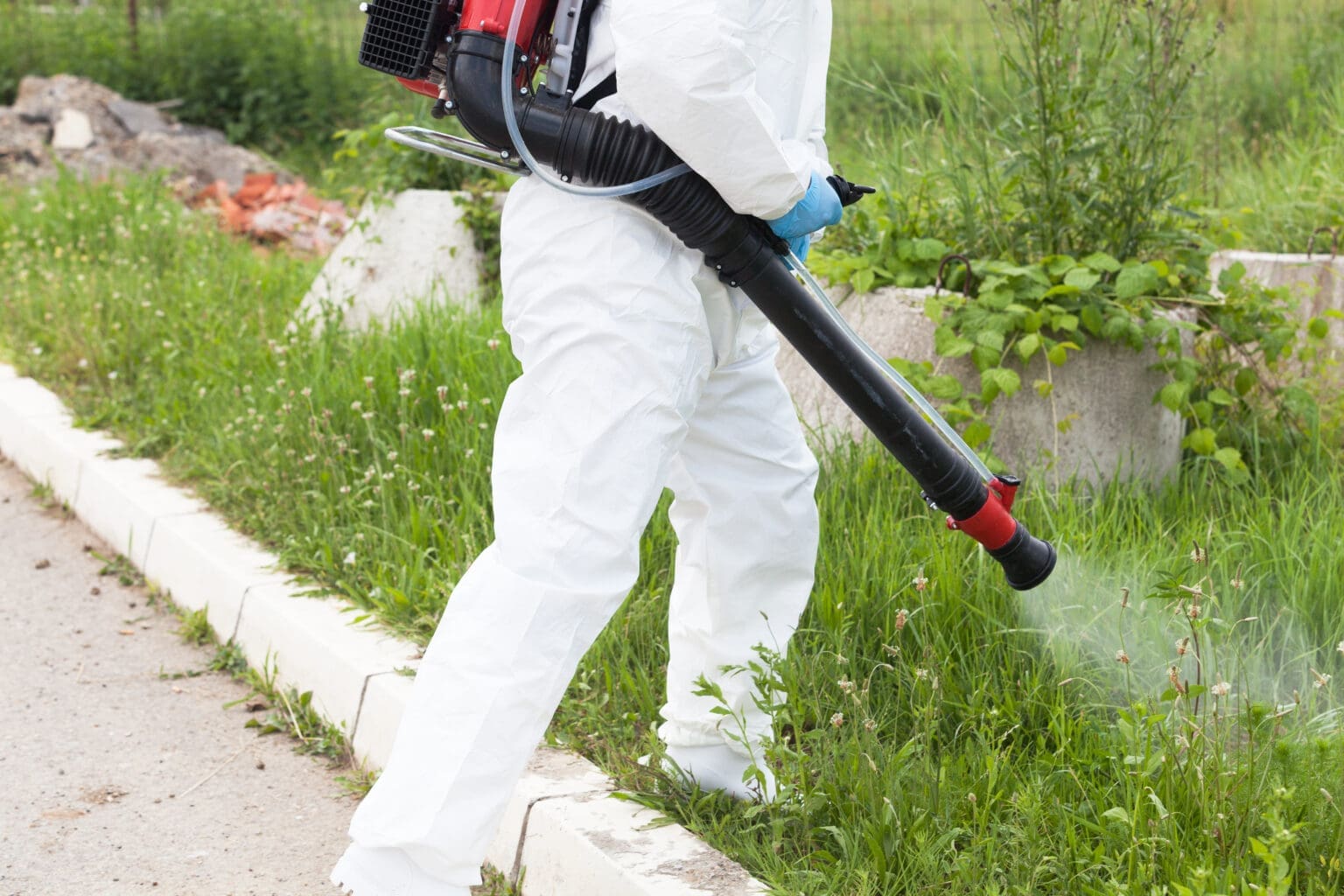
Broad Spectrum Chemical Applications
Broad spectrum chemicals include Organophosphates like malathion and Pyrethroids like deltamethrin. While very effective, they pose a lot of risks to humans, wildlife, and the environment. There are many pros and cons to choosing harsh chemical applications for mosquito control.
PROS:
- Rapid knock-down of adult mosquitoes during disease outbreaks
- Well-established application protocols
- Highly effective management tool (>95% mortality within hours)
- Immediate relief when mosquito-borne disease risk is elevated
- ULV (Ultra-Low-Volume) applications reduce chemical usage
CONS:
- Acute exposure can cause neurotoxic symptoms, respiratory irritation, skin irritation
- Chronic exposure is linked to neurological effects; some chemicals are associated with increased cancer risk
- Sprays can drift and contaminate neighboring yards
- HIGH toxicity to honey bees, wild bees, and butterflies
- Spray drift contaminates pollen and nectar for weeks after application
- Residue on foliage remains toxic to caterpillars for extended periods
- Kills beneficial insects indiscriminately (lady beetles, predatory insects, parasitic wasps)
- Disrupts natural predator-prey balance
- Short residual effect requires repeated applications
- Mosquito resistance is developing to many common chemicals
- Generally only target adult mosquitoes; larvae might remain unaffected
Bacterial Larvicides
Bacterial larvicides Bti such as Bacillus thuringiensis israelensis can really help reduce mosquito populations without the use of harsh and dangerous chemicals. There are many application methods depending on your needs.

PROS:
- No documented toxicity or infection risk to humans
- No documented endocrine disruption
- Approved for organic farming operations
- Human stomachs are highly acidic which prevents activation of Bti toxins
- Negligible impact on pollinators (honey bees, butterflies, wild bees)
- Minimal effect on non-target aquatic invertebrates
- Safe around food crops and water supplies
- Preserves beneficial insect populations
- EPA-registered with established safety record
CONS:
- Occasional mild skin or eye irritation with direct handling
- Only affects mosquito larvae, not adult mosquitoes
- Slower action than chemical adulticides (24-48 hours vs. hours)
- Efficacy varies with water temperature, sunlight, vegetation coverage
- Requires application at specific larval breeding sites
- Does not provide immediate relief from adult mosquito biting
Entomopathogenic Fungi
Entomopathogenic Fungi such as Beauveria bassiana and Metarhizium species are a great option for mosquito control without dangerous chemicals. Unlike the bacterial control options, the fungi will work on both the larval and adult stages of the mosquito life cycle. One of the most exciting aspects of using this for mosquito control is that the adult mosquito will spread the fungi to other, sometimes inaccessible or unknown water sources, where it spreads and infects other adult mosquitoes. If a mosquito lays eggs in your control station laced with the fungi and it then lands in a gutter that has standing water, that gutter becomes a death trap for other adult mosquitos and their larvae.
PROS:
- Minimal toxicity to mammals, birds, and fish
- No persistent environmental residues
- Rare resistance development compared to chemicals
- Low toxicity to non-target insects including pollinators
- Natural decomposition without chemical runoff concerns
- Horizontal transmission between mosquitoes can self-propagate
- Selective infection mechanism
- Works on both larvae and adults
CONS:
- Slower killing time (3-7 days to death)
- Significantly slower than chemical larvicides for immediate control
- Success depends heavily on humidity and temperature conditions
- Less established regulatory framework compared to Bti or chemicals
- Field efficacy more variable than bacterial larvicides
- Requires specific environmental conditions for optimal performance
SOURCE REDUCTION
An ounce of prevention is worth a pound of cure; this old chestnut is some of the most solid advice in all aspects of life and is excellent advice for mosquito control. Eliminating sources of standing water, shelter for mosquitoes, and other methods are extremely effective in reducing mosquito activity. While requiring more attention and labor, it is better to reduce the options mosquitoes have to complete their life cycle.
PROS:
- Eliminates ALL larval development at treated sites
- Most universally effective non-chemical method
- No chemical exposure for humans or pets
- Zero negative impact on pollinators or beneficial insects
- Preserves entire ecosystem integrity
- Immediate, site-wide protection once completed
- No reliance on biological activity or environmental conditions
- Lowest cost method with no recurring expenses
- Long-term prevention when maintained
CONS:
- Labor intensive and requires regular maintenance
- Needs community-wide coordination for maximum effectiveness
- Does not prevent recolonization from untreated areas
- Misses cryptic or hard-to-reach breeding sites (tree holes, underground cavities)
- Less feasible for large wetlands or natural water bodies
- Cannot address transient breeding that occurs faster than removal cycles
NON-CHEMICAL PHYSICAL METHODS
PROS:
- Personal repellents (DEET, picaridin, PME) provide individual protection with minimal environmental impact
- Traps and catchment systems reduce local populations without chemicals
- Screens and nets prevent mosquito entry indoors
- Dragonfly larvae are natural mosquito consumers with no negative impacts
- Surface oil films suffocate larvae mechanically without toxins
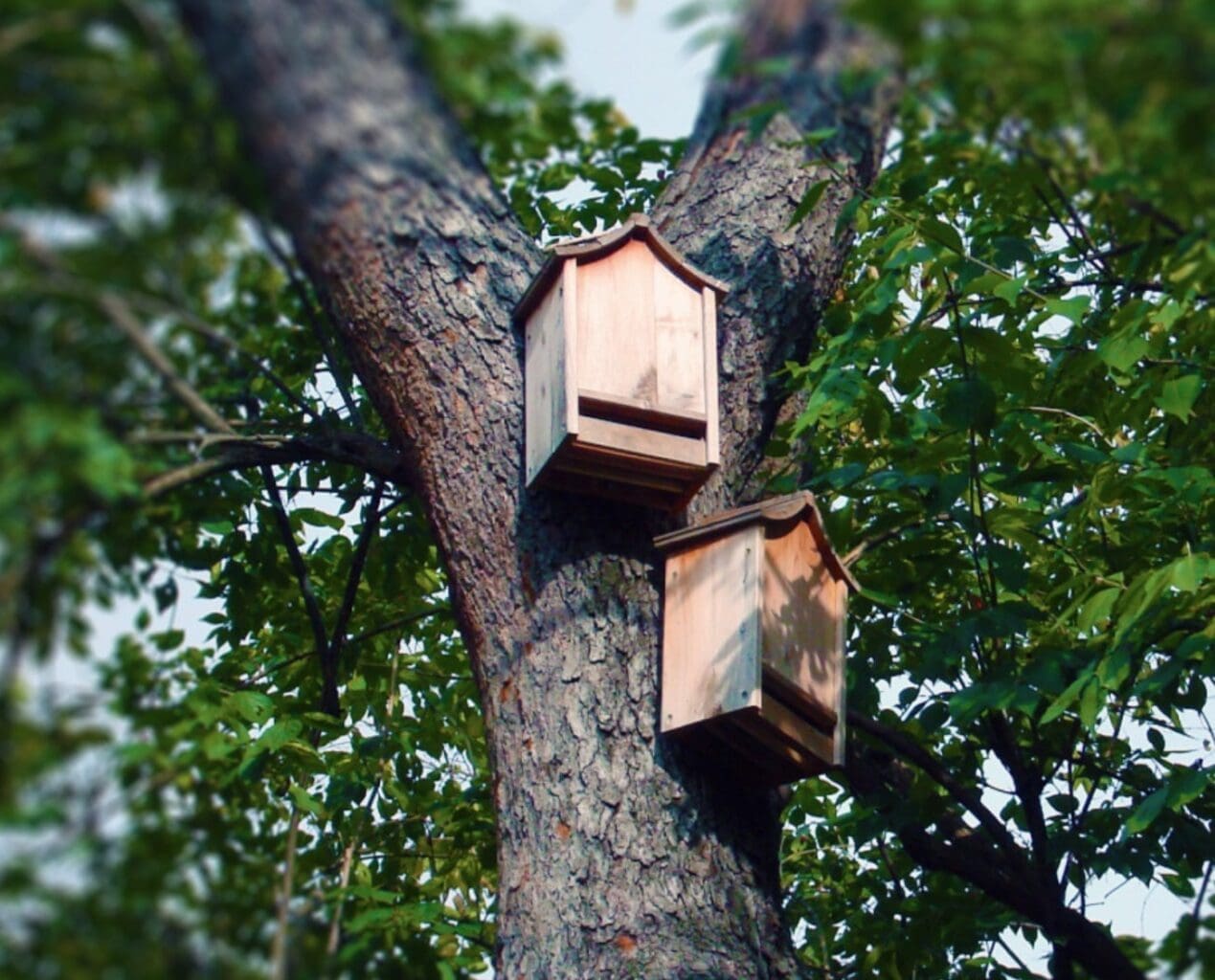
- Bat Houses installed around your property can attract bats that will eat thousands of mosquitoes each night!
CONS:
- Repellents only protect treated individuals, not reduce populations
- Traps may have limited range and efficacy varies by species
- Screens and nets do nothing outdoors or for property-wide control
- Dragonfly larvae effectiveness is difficult to quantify or guarantee
- Oil films can affect oxygen exchange and non-target aquatic organisms
- Most physical methods require ongoing maintenance and monitoring
Speed and Effectiveness of Various Mosquito Control Methods
Each method of mosquito control varies in how fast it works and how effective it is.
Effectiveness Ranking (for population control):
- Broad-Spectrum Chemicals (highest immediate kill rate but short duration)
- Source Reduction (highest long-term prevention when maintained)
- Bti (good for larval control in standing water)
- Entomopathogenic Fungi (moderate – variable conditions)
- Physical Methods (variable – depends on implementation)
Speed of Action Ranking (Fastest to Slowest):
- Broad-Spectrum Chemicals (hours)
- Source Reduction (immediate upon completion)
- Bti (24-48 hours)
- Entomopathogenic Fungi (3-7 days)
- Physical Methods (varies continuously)
So What is the Best Approach to Mosquito Control?
The bottom line is there are a variety of methods to address mosquito activity in and around your area. Each method has strengths and weaknesses and none, including chemical control, are 100% effective. However, a balanced approach that includes a range of management methods is the most effective way to reduce mosquito activity on your property and make your outside living area enjoyable again.
Integrated Mosquito Management Recommendations
We recommend the following steps to effectively reduce mosquitoes in your area:
- Source Reduction: First walk your property and look in every nook and cranny you can find. Look for any location that could hold water. This could be cracks in structures, tree holes, trash, tarps, flower pots, and even bottle caps (thousands of mosquitoes can be produced in a bottle cap of that fills with water). You should also talk to your neighbors, a neighbor with a lot of standing water sources will reduce the effectiveness of your control program. Encourage your neighbors to reduce water sources and mosquito habitats in and around their property.
- Bacterial Larvicides/Entomopathogenic Fungi: These control methods are easy, effective, and have very little impact on the surrounding environment. They can also reduce other nuisance insects as well. However, some beneficial insects can be affected, such as dragon fly larva in some cases.
- Physical Methods: Installing bat houses and encouraging beneficial insects such as dragon flies, that prey on mosquitoes, can be an excellent addition to any integrated mosquito control program.
- Personal Protective Measures: Use screens, repellents, and physical traps to reduce your exposure to mosquitoes.
- Broad Spectrum Insecticides: You should utilize other control methods before using broad spectrum chemical controls. These should be used sparingly and as a last resort or for extreme cases.
Mosquito Control Services
If you are looking for mosquito control services in the Kansas City area, Contact Us Today to put together your custom plan. We service Eastern Jackson County, specifically Blue Springs, Grain Valley, Lee’s Summit, and Independence.